
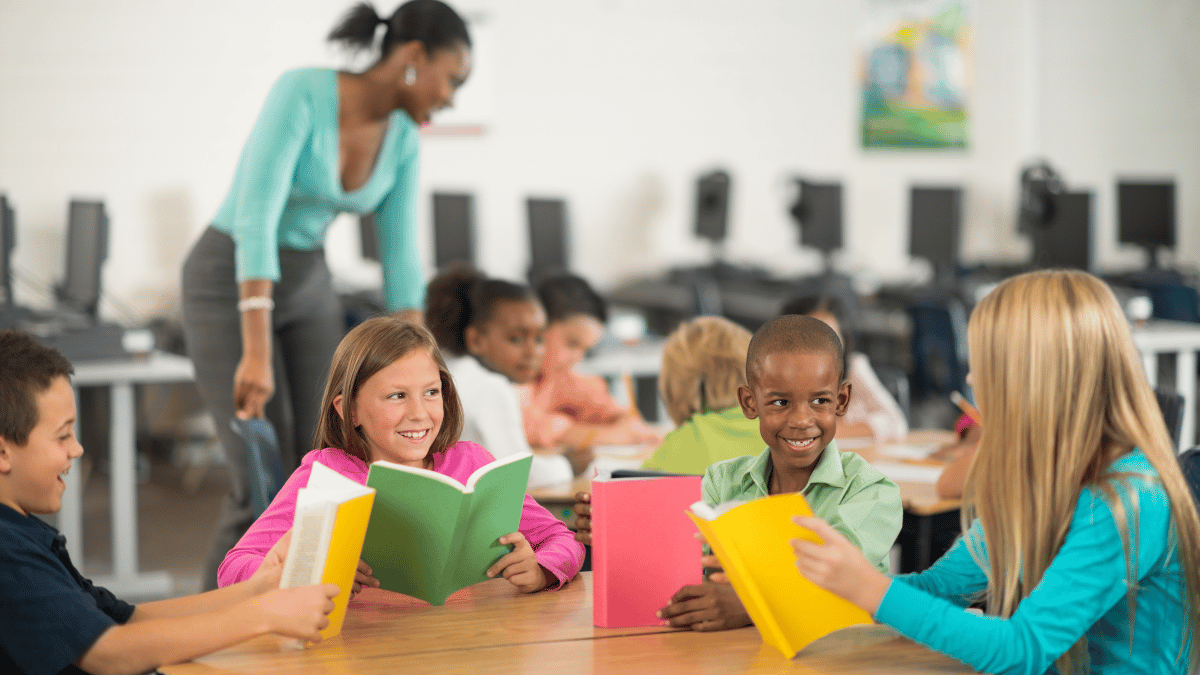
Classroom management is a critical aspect of teaching that lays the foundation for a conducive learning environment. With the right strategies, teachers can create a respectful atmosphere that promotes positive behavior and academic success. This article outlines effective classroom management strategies and provides actionable steps to help teachers establish routines, enforce positive reinforcement, and connect academics with behavior management.
Establishing Routines and Procedures
- Consistent Daily Routines
- Morning Routine: Greet each student warmly as they enter the classroom. Have a morning task ready, such as journaling or a simple review activity, to start the day on a productive note.
- Transitions: Use visual and auditory signals (e.g., a bell or hand signal) to indicate transitions between activities. Consistency helps students understand and anticipate changes, reducing downtime and disruptive behavior.
- End-of-Day Routine: Implement a wrap-up activity where students reflect on their day, pack their belongings, and organize their workspace.
- Clear Expectations
- Classroom Rules: Collaboratively create a set of classroom rules with your students at the beginning of the year. This gives them a sense of ownership and accountability. Display the rules prominently and refer to them regularly.
- Procedures for Common Tasks: Establish procedures for common tasks such as asking for help, turning in assignments, and moving around the classroom. Practice these procedures until they become second nature to students.
- Visual Schedules
- Daily Schedule: Post a visual schedule of the day’s activities. This helps students stay organized and reduces anxiety about what comes next.
- Behavioral Expectations: Use charts and visuals to illustrate expected behaviors for different parts of the day (e.g., group work, independent reading).
Positive Reinforcement
- Reward Systems
- Token Economy: Implement a token economy where students earn tokens for positive behaviors, which they can exchange for rewards. Ensure that rewards are meaningful and motivating for students.
- Praise and Recognition: Offer specific and genuine praise for positive behaviors. Highlight these behaviors in front of the class to encourage others.
- Celebrating Success
- Behavioral Celebrations: Hold weekly or monthly celebrations to recognize students who consistently display positive behavior. This can include certificates, a class party, or extra recess time.
- Academic and Behavioral Connection: Show students how their positive behavior directly impacts their academic success. For instance, reward group behaviors that enhance collaborative learning and contribute to collective academic goals.
Connecting Academics and Behavior
- Integrating Social-Emotional Learning (SEL)
- SEL Activities: Incorporate SEL activities into your daily routine. Use role-playing, group discussions, and literature to teach empathy, self-regulation, and conflict resolution.
- Reflection Journals: Encourage students to keep reflection journals where they write about their feelings, behaviors, and goals. Use these journals to guide one-on-one discussions about behavior and academic performance.
- Academic Expectations and Behavior
- Behavior Contracts: Create behavior contracts with individual students outlining specific academic and behavioral goals. Review these contracts regularly to monitor progress and make adjustments.
- Positive Behavior Interventions: Implement Positive Behavior Interventions and Supports (PBIS) strategies that link positive behavior to academic achievements. For example, provide extra learning opportunities or privileges for students who meet behavior expectations.